Harbors, palaces, and the gentle rhythm of hygge
Stories that flow like the canals — calm, curious, and welcoming.
Table of Contents
Origins of Copenhagen
Copenhagen began as a modest harbor on the Øresund, shaped by merchants, fishermen, and the quiet bustle of medieval trade. Over centuries, the city learned to live with the wind off the water and the steady rhythm of ships coming and going — a maritime heartbeat that still defines so much of its character.
As walls rose and markets expanded, Copenhagen became a crossroads of Northern Europe. The old town clustered around churches and guild halls, while new quarters crept outward, stitched together by canals and cobbled lanes. Today, the city wears its history lightly — you feel it in courtyards, harbor promenades, and the friendly scale of streets dedicated as much to everyday life as grand events.
Royal Copenhagen
Royal Copenhagen is less about pomp than presence: palaces tucked into city life, guards crossing quiet squares, and ceremonies that feel part of a lived-in rhythm. Amalienborg’s symmetry, Rosenborg’s romantic gardens, and Christiansborg’s triple crown of parliament, court, and royal reception rooms tell a story of statecraft practiced on a human scale.
Hop off and wander the courtyards — you’ll see school groups, locals on lunch breaks, and visitors leaning into the city’s gracious pace. The monarchy’s history is there if you want it, but there’s always a bench, a fountain, a view down a street where life goes on with gentle confidence.
Harbors, canals & trade
Copenhagen’s canals weren’t built for postcards — they were working waterways where ships moored, goods unloaded, and livelihoods flowed. Nyhavn once bustled with sailors and storytellers; today it shines with color, but the angles and timbered fronts still whisper of an industrious past.
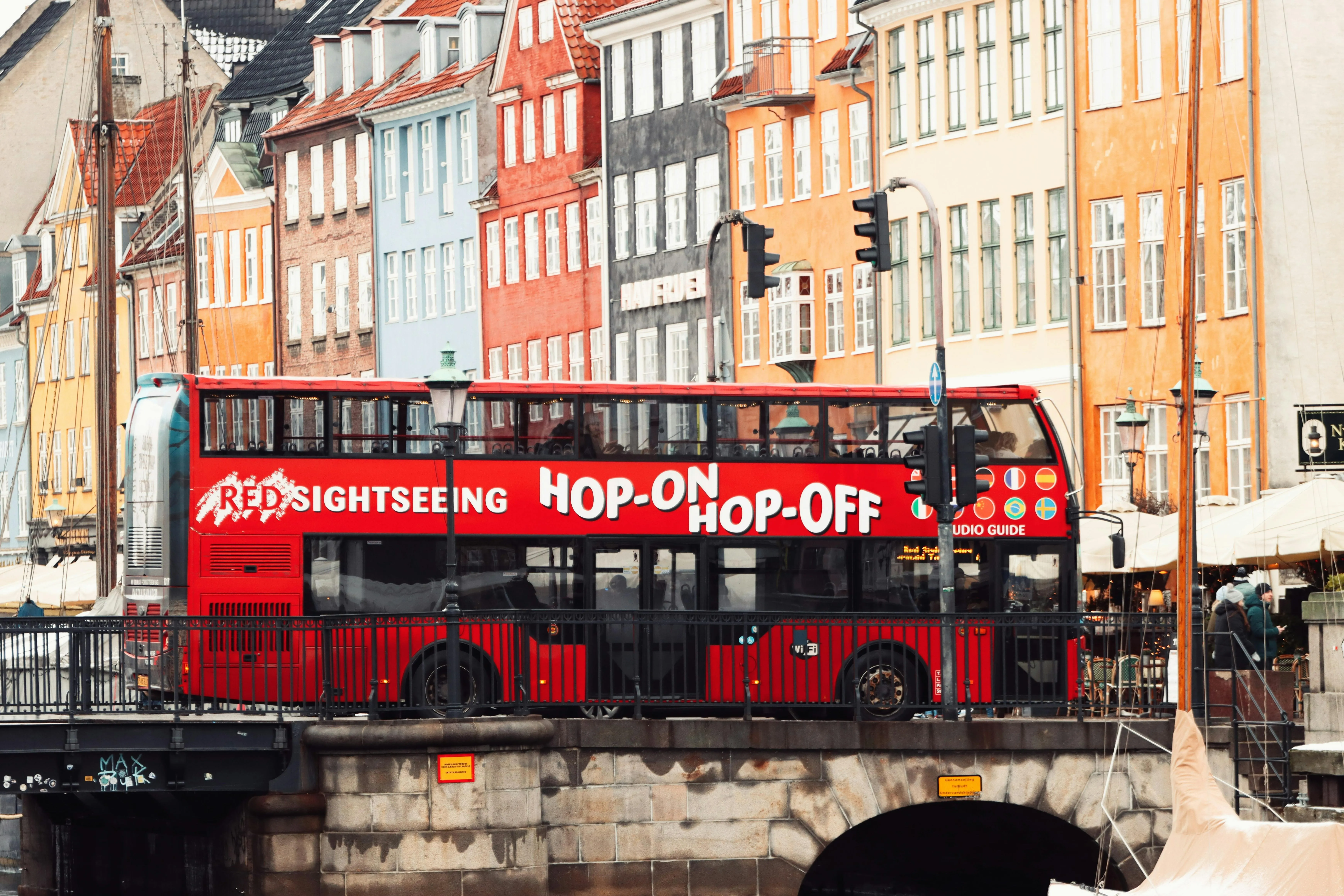
Follow the water and you’ll see the city’s evolution: ferries, bridges that lift for passing boats, and new harbor baths where residents slip into summer like it’s second nature. The Hop-On Hop-Off routes trace these lines, switching from stone quays to modern promenades where trade gave way to leisure.
Museums & cultural life
From the National Museum’s sweeping timelines to design museums that celebrate Danish form, Copenhagen invites you to linger over stories and shapes. Art spills into courtyards, cafés nestle inside galleries, and special exhibitions bring global voices to local rooms.
Hop off near your favorite themes — history, art, design, or science — and you’ll find welcoming spaces with clear signage, family corners, and the kind of well-made details Denmark is famous for.
Neighborhoods & everyday hygge
Copenhagen’s charm lives in everyday scenes: a baker setting out morning pastries, cyclists cruising by with scarves tucked just so, and windows glowing warm against the Nordic light. Vesterbro feels creative and casual; Nørrebro buzzes with global flavors and community energy; Østerbro is gracious and green.
Hop off to taste the city’s hygge — not grand and staged, but effortless and local. A bench by the Lakes, a coffee in a quiet square, a bookshop that turns into a conversation — simple moments that stay with you.
Design, architecture & urban renewal
Copenhagen’s design language is quiet confidence: clean lines, honest materials, and spaces made for living well. Along the harbor, old warehouses host studios and cafés, while new buildings hold cultural venues and places to meet.
It’s a city that renovates with care. You’ll see bike bridges swooping gracefully, playful public art, and neighborhoods where everyday life and architecture feel in step.
Routes, buses & canal cruises
Multiple loops cover the essentials: City Hall Square, Tivoli, Christiansborg, Nyhavn, Amalienborg, the Little Mermaid, Østerport, the Lakes, and modern harbor fronts. Frequencies vary by season, with extra departures in spring and summer.
Canal cruises pair beautifully with the bus — hop off at Nyhavn to join a boat, drift under bridges, and see Copenhagen’s façades from the water before hopping back on.
Safety & accessibility
Boarding is straightforward, with clear signage and staff at major stops. Low-floor buses and dedicated spaces support wheelchair users, and audio guides include volume controls and headset connections.
Service adjustments can occur during large events, roadworks, or winter weather. Check route updates on the day of travel.
Festivals & seasonal rhythms
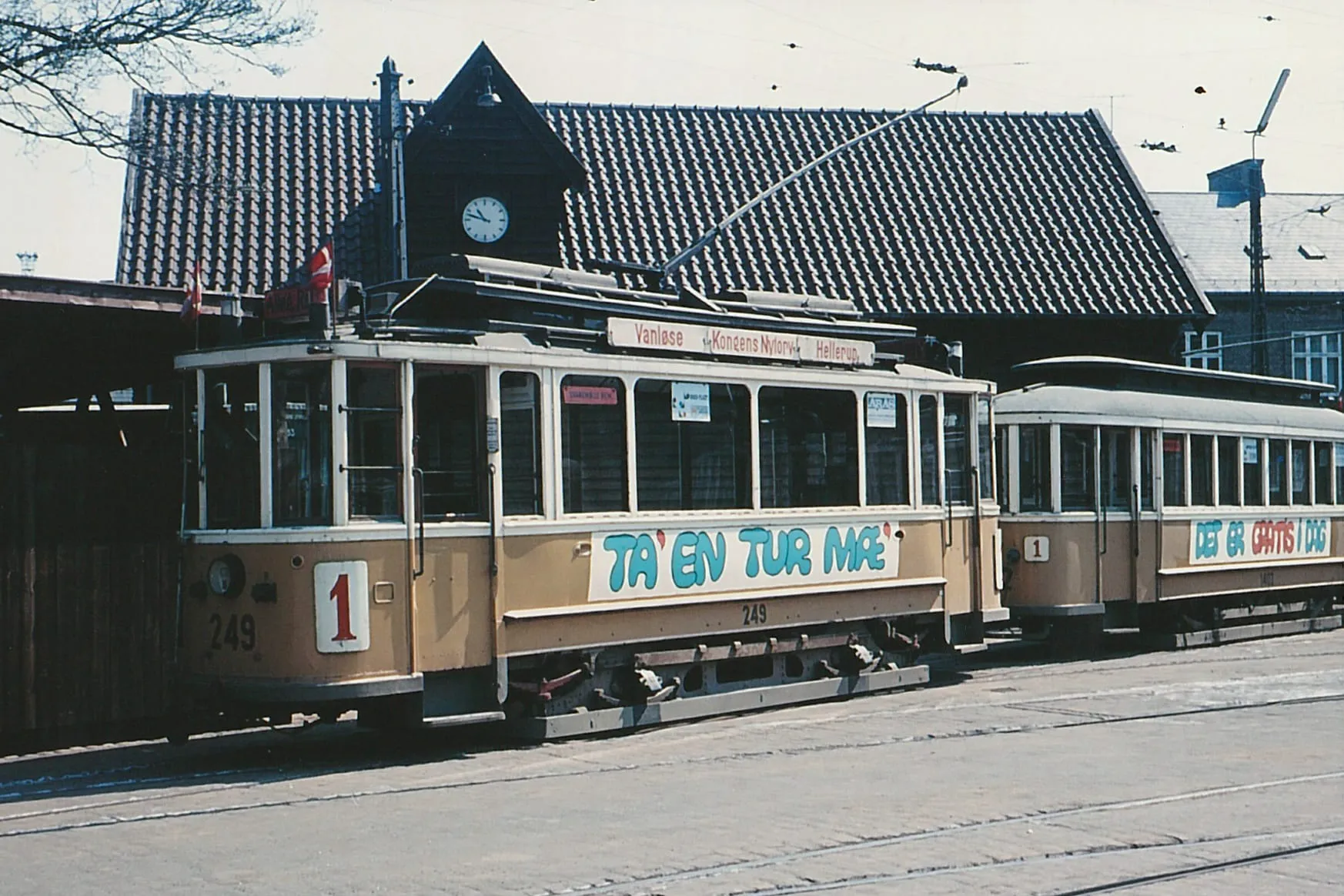
Copenhagen celebrates in a grounded way: food markets, neighborhood parties, jazz drifting over summer evenings, and winter lights that warm long nights. The city invites you to join — not as a spectator, but as a welcome guest.
Check calendars for cultural nights, design weeks, and harbor events, then plan your loops to catch a show, a market, or a simple street performance that turns into a memory.
Tickets, passes & combos
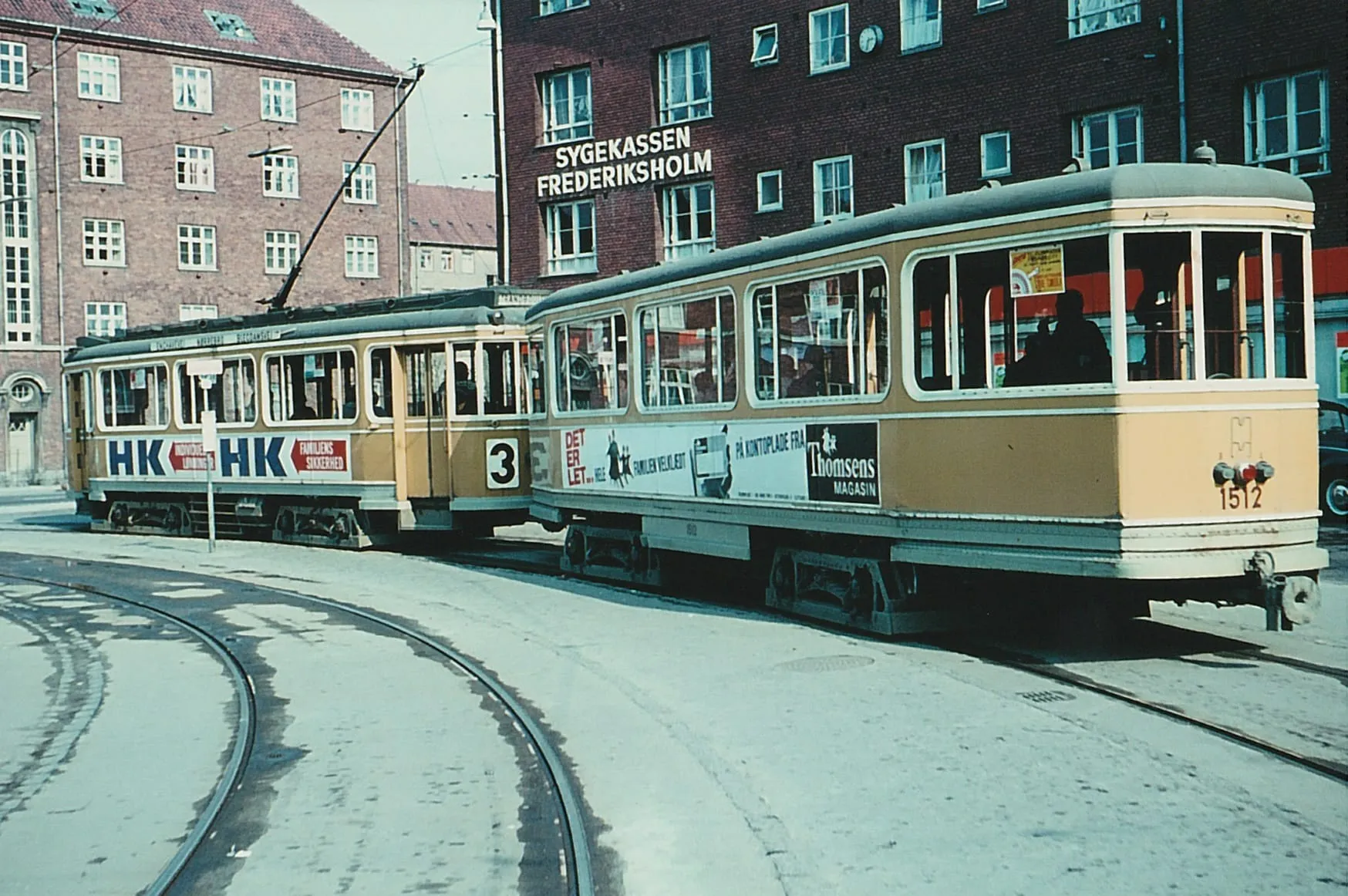
Book online to secure your preferred start time and bundle extras like canal cruises or museum entries.
Pass durations (24–72 hours) give you freedom to plan around weather, jet lag, or a sudden urge to linger over coffee.
Sustainability & green living
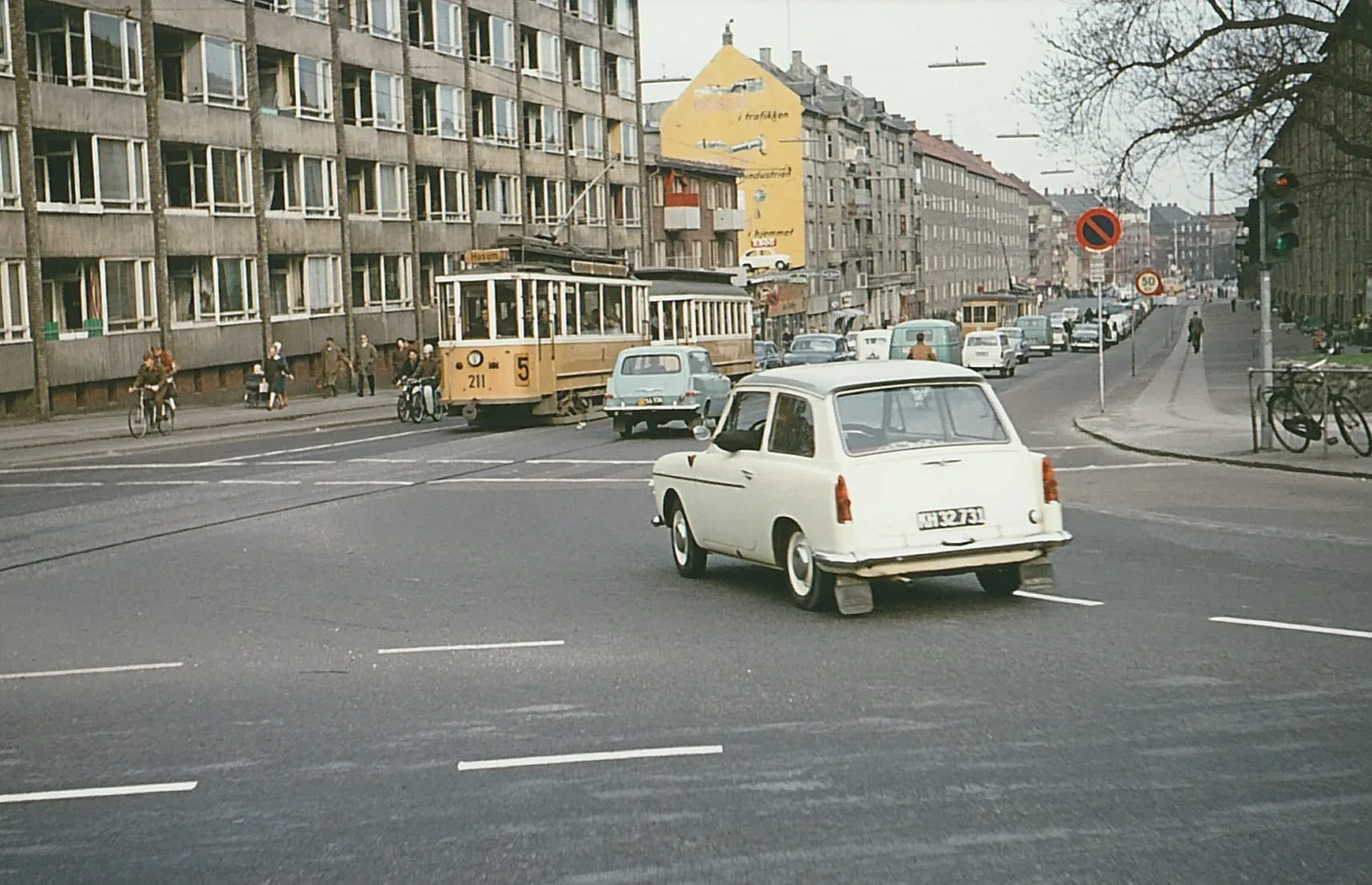
Copenhagen aims high on sustainability — bikes outnumber cars in many neighborhoods, and green spaces weave through urban life. Even sightseeing leans light: buses consolidate trips, and canal boats use efficient routes.
Choose off-peak times, refill water bottles, and favor local cafés — small decisions that keep the city welcoming and calm.
Day trips & coastal corners
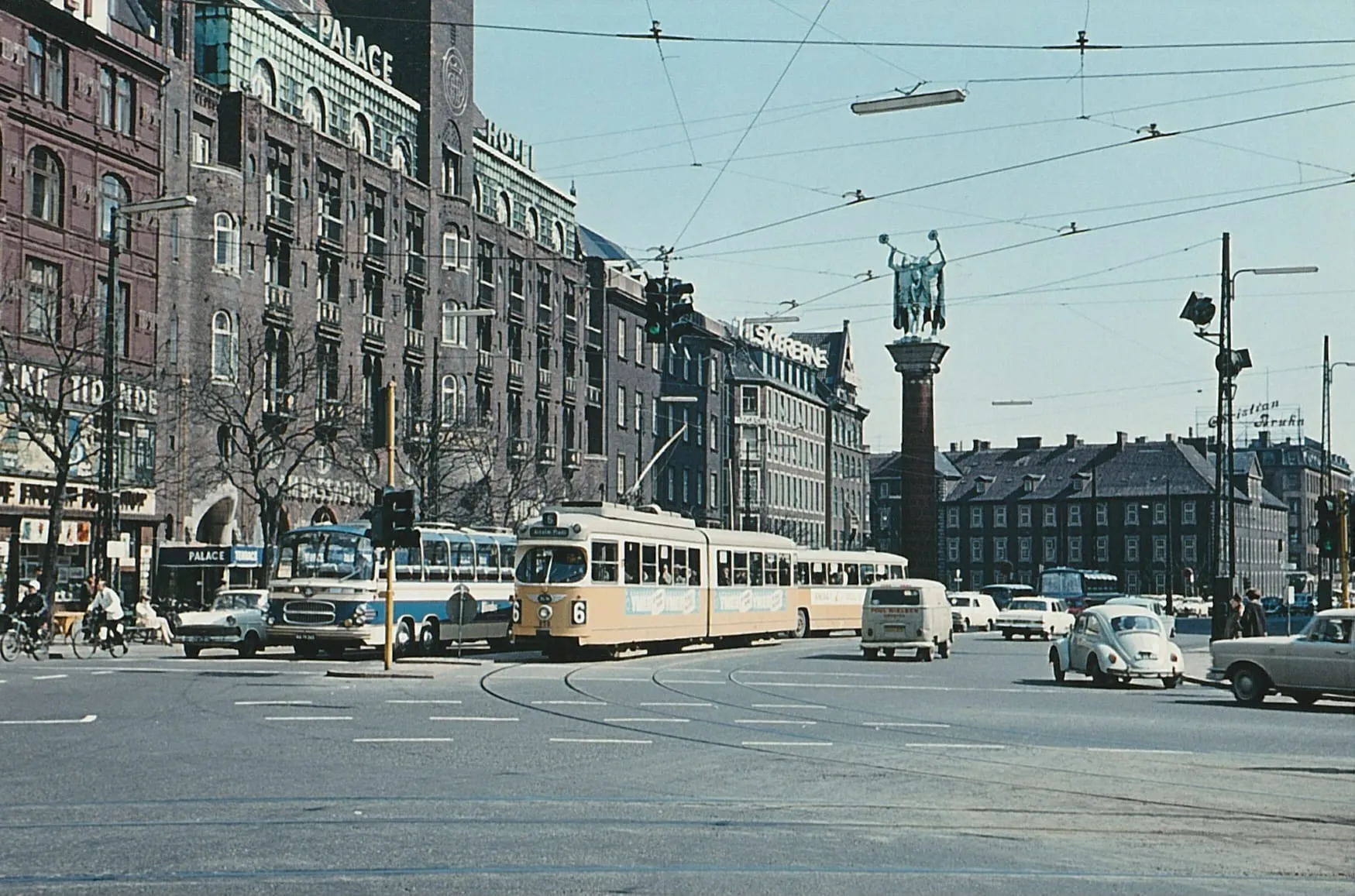
If you have more time, castles and coastlines call: Kronborg in Helsingør, Louisiana Museum of Modern Art, or beaches along Amager. Regional trains make it easy, and Hop-On Hop-Off routes connect nicely with central stations.
Closer to the center, harborside walks and park picnics are simple pleasures that round out a gentle day.
Why Copenhagen feels good
Copenhagen balances beauty and ease: water that invites you to pause, streets that fit human rhythms, and culture that opens its doors without fuss. It’s a city that welcomes curiosity and rewards taking your time.
Hop-On Hop-Off suits this spirit — simple, flexible, and full of stories. Ride, wander, and settle into a pace that makes even the grand spaces feel personal.
Table of Contents
Origins of Copenhagen
Copenhagen began as a modest harbor on the Øresund, shaped by merchants, fishermen, and the quiet bustle of medieval trade. Over centuries, the city learned to live with the wind off the water and the steady rhythm of ships coming and going — a maritime heartbeat that still defines so much of its character.
As walls rose and markets expanded, Copenhagen became a crossroads of Northern Europe. The old town clustered around churches and guild halls, while new quarters crept outward, stitched together by canals and cobbled lanes. Today, the city wears its history lightly — you feel it in courtyards, harbor promenades, and the friendly scale of streets dedicated as much to everyday life as grand events.
Royal Copenhagen
Royal Copenhagen is less about pomp than presence: palaces tucked into city life, guards crossing quiet squares, and ceremonies that feel part of a lived-in rhythm. Amalienborg’s symmetry, Rosenborg’s romantic gardens, and Christiansborg’s triple crown of parliament, court, and royal reception rooms tell a story of statecraft practiced on a human scale.
Hop off and wander the courtyards — you’ll see school groups, locals on lunch breaks, and visitors leaning into the city’s gracious pace. The monarchy’s history is there if you want it, but there’s always a bench, a fountain, a view down a street where life goes on with gentle confidence.
Harbors, canals & trade
Copenhagen’s canals weren’t built for postcards — they were working waterways where ships moored, goods unloaded, and livelihoods flowed. Nyhavn once bustled with sailors and storytellers; today it shines with color, but the angles and timbered fronts still whisper of an industrious past.
Follow the water and you’ll see the city’s evolution: ferries, bridges that lift for passing boats, and new harbor baths where residents slip into summer like it’s second nature. The Hop-On Hop-Off routes trace these lines, switching from stone quays to modern promenades where trade gave way to leisure.
Museums & cultural life
From the National Museum’s sweeping timelines to design museums that celebrate Danish form, Copenhagen invites you to linger over stories and shapes. Art spills into courtyards, cafés nestle inside galleries, and special exhibitions bring global voices to local rooms.
Hop off near your favorite themes — history, art, design, or science — and you’ll find welcoming spaces with clear signage, family corners, and the kind of well-made details Denmark is famous for.
Neighborhoods & everyday hygge
Copenhagen’s charm lives in everyday scenes: a baker setting out morning pastries, cyclists cruising by with scarves tucked just so, and windows glowing warm against the Nordic light. Vesterbro feels creative and casual; Nørrebro buzzes with global flavors and community energy; Østerbro is gracious and green.
Hop off to taste the city’s hygge — not grand and staged, but effortless and local. A bench by the Lakes, a coffee in a quiet square, a bookshop that turns into a conversation — simple moments that stay with you.
Design, architecture & urban renewal
Copenhagen’s design language is quiet confidence: clean lines, honest materials, and spaces made for living well. Along the harbor, old warehouses host studios and cafés, while new buildings hold cultural venues and places to meet.
It’s a city that renovates with care. You’ll see bike bridges swooping gracefully, playful public art, and neighborhoods where everyday life and architecture feel in step.
Routes, buses & canal cruises
Multiple loops cover the essentials: City Hall Square, Tivoli, Christiansborg, Nyhavn, Amalienborg, the Little Mermaid, Østerport, the Lakes, and modern harbor fronts. Frequencies vary by season, with extra departures in spring and summer.
Canal cruises pair beautifully with the bus — hop off at Nyhavn to join a boat, drift under bridges, and see Copenhagen’s façades from the water before hopping back on.
Safety & accessibility
Boarding is straightforward, with clear signage and staff at major stops. Low-floor buses and dedicated spaces support wheelchair users, and audio guides include volume controls and headset connections.
Service adjustments can occur during large events, roadworks, or winter weather. Check route updates on the day of travel.
Festivals & seasonal rhythms
Copenhagen celebrates in a grounded way: food markets, neighborhood parties, jazz drifting over summer evenings, and winter lights that warm long nights. The city invites you to join — not as a spectator, but as a welcome guest.
Check calendars for cultural nights, design weeks, and harbor events, then plan your loops to catch a show, a market, or a simple street performance that turns into a memory.
Tickets, passes & combos
Book online to secure your preferred start time and bundle extras like canal cruises or museum entries.
Pass durations (24–72 hours) give you freedom to plan around weather, jet lag, or a sudden urge to linger over coffee.
Sustainability & green living
Copenhagen aims high on sustainability — bikes outnumber cars in many neighborhoods, and green spaces weave through urban life. Even sightseeing leans light: buses consolidate trips, and canal boats use efficient routes.
Choose off-peak times, refill water bottles, and favor local cafés — small decisions that keep the city welcoming and calm.
Day trips & coastal corners
If you have more time, castles and coastlines call: Kronborg in Helsingør, Louisiana Museum of Modern Art, or beaches along Amager. Regional trains make it easy, and Hop-On Hop-Off routes connect nicely with central stations.
Closer to the center, harborside walks and park picnics are simple pleasures that round out a gentle day.
Why Copenhagen feels good
Copenhagen balances beauty and ease: water that invites you to pause, streets that fit human rhythms, and culture that opens its doors without fuss. It’s a city that welcomes curiosity and rewards taking your time.
Hop-On Hop-Off suits this spirit — simple, flexible, and full of stories. Ride, wander, and settle into a pace that makes even the grand spaces feel personal.